
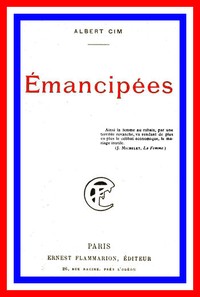
Émancipées by Albert Cim
Published in 1903, Albert Cim's Émancipées drops us into the drawing rooms and boudoirs of Parisian high society. We follow three central women bound by friendship and shared frustration. Marguerite, Lucie, and Jeanne are married to respectable, often absent, husbands. Their days are filled with social calls, fashion, and managing households, but a deep sense of emptiness gnaws at them. They crave conversation that isn't trivial, purpose beyond hosting dinners, and recognition as individuals with minds of their own.
The Story
The plot isn't driven by wild events, but by quiet, seismic shifts in feeling. We see Marguerite tentatively start reading books her husband scoffs at. Lucie becomes fascinated by new ideas about women's roles, sparking tense discussions at home. Jeanne, perhaps the most confined, watches her friends with a mix of envy and fear. The story tracks their separate and collective struggles as they push against the invisible walls of their world. Some attempts are small, like a secret meeting to discuss literature. Others carry greater risk, threatening their social standing and marriages. It's a close-up look at what 'emancipation' might cost when your entire world is designed to keep you content in your cage.
Why You Should Read It
What grabbed me was how modern these women's frustrations feel. Their desire for mental stimulation and self-determination is timeless. Cim doesn't paint them as flawless heroes; they're sometimes hesitant, privileged, and unsure of their own desires. That makes them real. The tension comes from the quiet moments—a disapproving glance from a husband, the risk in borrowing a controversial novel, the heartbreaking choice between peace and authenticity. You're not watching a revolution in the streets, but a revolution of the spirit in a velvet-lined room.
Final Verdict
This book is perfect for readers who love character studies and historical settings that resonate with today's conversations. If you enjoyed the nuanced social pressures in novels by Edith Wharton or Jane Austen, but wanted to see those pressures from a French, fin-de-siècle angle, you'll find a lot here. It's not a fast-paced adventure; it's a thoughtful, sometimes aching, portrait of the first steps toward freedom. A hidden gem for anyone curious about the quiet beginnings of big changes.
This work has been identified as being free of known copyright restrictions. It is now common property for all to enjoy.
Edward Lee
1 year agoI have to admit, the pacing is just right, keeping you engaged. I will read more from this author.
Oliver Anderson
7 months agoI have to admit, the atmosphere created is totally immersive. A true masterpiece.
Daniel Sanchez
2 years agoI came across this while browsing and it creates a vivid world that you simply do not want to leave. One of the best books I've read this year.
Deborah Rodriguez
2 years agoRecommended.



Elizabeth Miller
1 year agoVery interesting perspective.